
Periodontal Therapy
What is Periodontal Disease?
Periodontal disease is an infection of the gums that gradually destroys the support of your natural teeth.
Other important factors affecting the health of your gums include:
- Smoking
- Diabetes
- Stress
- Clenching and grinding teeth
- Medication
- Poor nutrition
Periodontal disease can be accelerated by several different factors. However, it is mainly caused by the bacteria found in dental plaque, a sticky, colorless film that constantly forms on your teeth. If not carefully removed by daily brushing and flossing, plaque hardens into a rough, porous substance known as calculus (or tartar).
Bacteria found in plaque produce toxins or poisons that irritate the gums, which may cause them to turn red, swell, and bleed easily. If this irritation is prolonged, the gums separate from the teeth, causing pockets (spaces) to form. As periodontal disease progresses, the supporting gum tissue and bone that hold teeth in place deteriorate. If left untreated, this leads to tooth loss.
The Mouth-Body Connection
Can Infections in the Mouth Impact / Cause other medical problems?
Studies done by the American Academy of Periodontology and countless medical professionals from many different specialties, point to a significant mouth – body connection that can have serious health consequences for those suffering from periodontal disease.
The bacteria that cause the periodontal disease can enter the bloodstream and lead to:
- Heart Disease the nation’s leading cause of death
- Higher risks for Strokes
- Higher risks of low birth weight, pre-term births
- Higher risk of bacterial respiratory infections due to aspiration of bacteria into the lungs
- Greater difficulty for patients with diabetes to control their blood sugar, and in many cases, an increase in blood sugar
- Higher risks associated with Osteoporosis
Don’t ignore your oral health! Periodontal disease is a serious condition that should be treated!
Preventing Gum Disease
The best way to prevent gum disease is effective daily brushing and flossing, as well as regular professional examinations and cleanings. Unfortunately, even with the most diligent home dental care, people can still develop some form of periodontal disease. Once this disease starts, professional intervention is necessary to prevent its progress.
How is Periodontal Disease Treated?
- Scaling & Root Planing with laser to remove plaque and tartar deposits
- A series of appointments is scheduled 10 to 14 days apart
- If pockets do not heal after scaling and root planing, periodontal surgery is often needed
Laser Gum Therapy
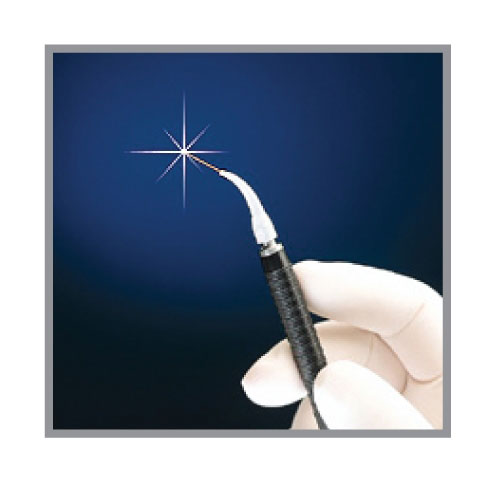 Our LASER GUM THERAPY, the Wavelength-optimized Periodontal Therapy (WPT), uses light energy to gently disinfect and evaporate diseased tissues from around the tooth and inside the gum pocket. This treatment interrupts the bacterial destruction of the tissues and bone, giving the gum pocket a chance to heal. Our gum laser therapy is gentle, less painful than periodontal surgery, doesn’t require numbing or stitches, and has a quick recovery time. While surgery may still be required for severely advanced periodontal cases, laser therapy is a much more conservative, effective, and comfortable option for beginning, moderate, and advanced periodontal cases.
Ready To Take Control Of Your Dental Care?
Contact us with any questions or to schedule an appointment to reclaim your smile today!